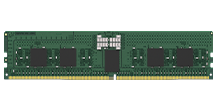
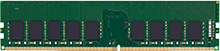
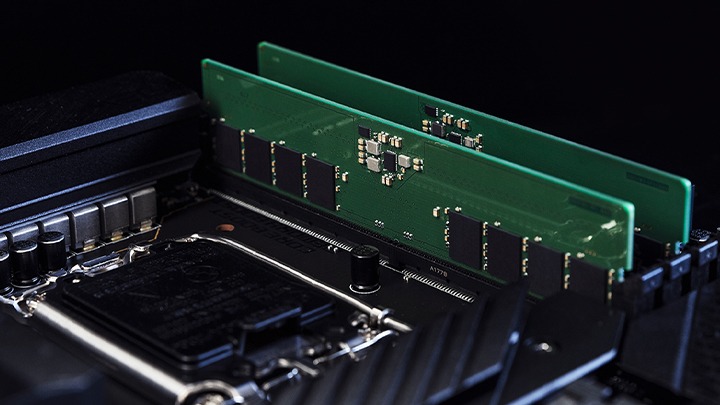
Intel® Xeon® 6 processors represent Intel’s latest generation of server processors, designed to meet the demands of modern data centers and enterprise workloads. With new platform options, support for DDR5 memory, and improved efficiency, Xeon 6 provides a strong foundation for organizations looking to upgrade their infrastructure.
In this guide, we’ll explore what makes Xeon 6 different, its key features, why businesses are upgrading, and the use cases where it delivers the biggest impact.
What Is Intel Xeon 6?
Intel Xeon 6 is the newest generation of Intel’s server processors, succeeding the 5th Gen Xeon Scalable Processor line. It is built to handle the increasing demands of data centers, cloud platforms, and enterprise applications that require more performance, efficiency, and scalability.
The family is split into two series:
- Efficient-core (E-core) processors – Built for cloud-native and scale-out workloads where density and power efficiency matter most. E-core Xeon 6 processors allow providers to run more instances per rack while keeping energy use under control.
- Performance-core (P-core) processors – Designed for traditional enterprise applications that need consistent speed and responsiveness. P-core Xeon 6 processors deliver higher per-core performance, making them suited for databases, analytics, and transaction-heavy systems where predictable low latency is required. They also support more memory channels for more bandwidth, helping to drive demanding workloads like AI inference and large in-memory datasets.
One of the most important architectural updates is DDR5 memory support in up to 12 memory channels. The Xeon 6900-series (Granite Rapids-AP) takes advantage of a 12-channel setup to deliver extremely high bandwidth for HPC and AI applications.
The Xeon 6700/6500-series (Granite Rapids-SP), on the other hand, uses an 8-channel design but allows more socket scalability, making it a strong fit for enterprise workloads such as virtualization and large database hosting. For efficiency-driven deployments, the Xeon 6700E-series (Sierra Forest-SP) balances power savings with scalable performance.
Key features of Intel Xeon 6
Intel Xeon 6 introduces several architectural and platform-level improvements over the previous Xeon Scalable Processor generations.
New architecture and process nodes
Xeon 6 is available in both E-core and P-core designs, giving the flexibility to choose between high efficiency or high performance, depending on workload. Both variants benefit from Intel’s refined process technology, which improves performance per watt and overall density within the rack.
Memory and DDR5 support
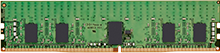
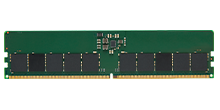
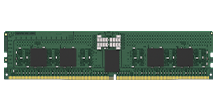
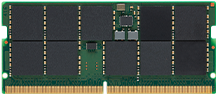
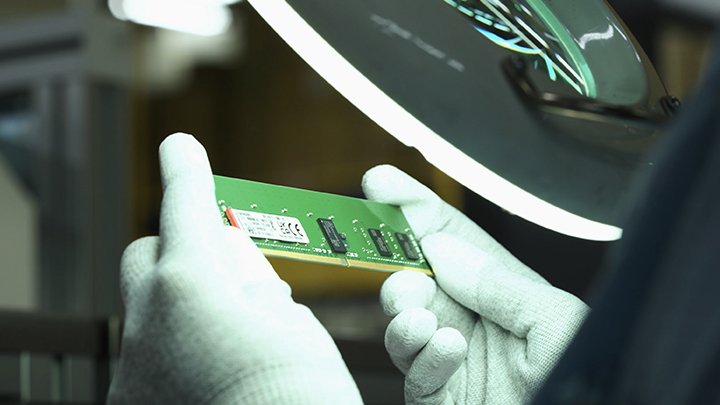
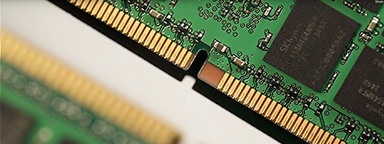
Xeon 6 is designed for DDR5 server memory, delivering higher capacities, improved data integrity features, faster speeds, and better power efficiency compared to prior DDR4-based platforms. Supported module types include:
- DDR5 ECC Registered DIMMs (RDIMMs) – using next-generation 6400MT/s DDR5.
- DDR5 Multiplexed-Rank DIMMs (MRDIMMs) – designed for higher density and bandwidth, reaching up to 8800MT/s in the Xeon 6900-series and 8000MT/s in the 6700/6500-series.
- 3DS Registered DIMMs (3DS RDIMMs) – delivering even larger capacities, up to 256GB per module.
When it comes to DIMM types, two common options are RDIMMs and MRDIMMs. RDIMMs (Registered DIMMs) remain the most widely adopted because they strike a strong balance between cost and performance, making them suitable for a broad range of enterprise workloads.
MRDIMMs (Multiplexed Rank DIMMs), on the other hand, are designed for higher density and bandwidth, which makes them particularly valuable in high-performance or memory-intensive environments.
Expanded memory channels
Depending on the processor series, Xeon 6 supports either 8 or 12 memory channels:
- 6900P Series (Granite Rapids-AP): 12 channels, 1DPC, delivering unmatched bandwidth for AI and HPC workloads.
- 6700P/6500P/6700E Series (Granite Rapids-SP/Sierra Forest-SP): 8 channels, up to 2DPC, supporting broader scalability across sockets.