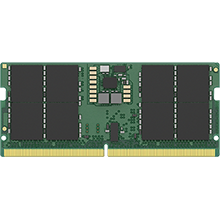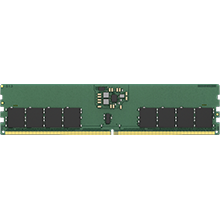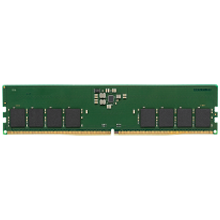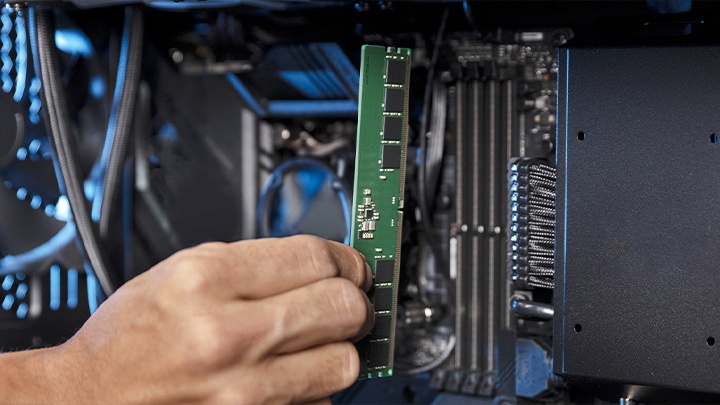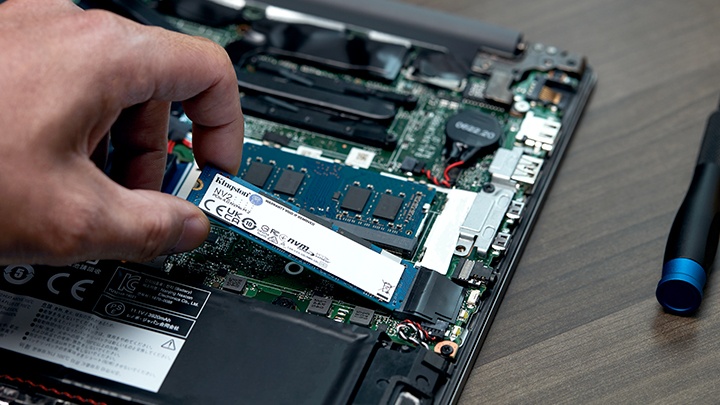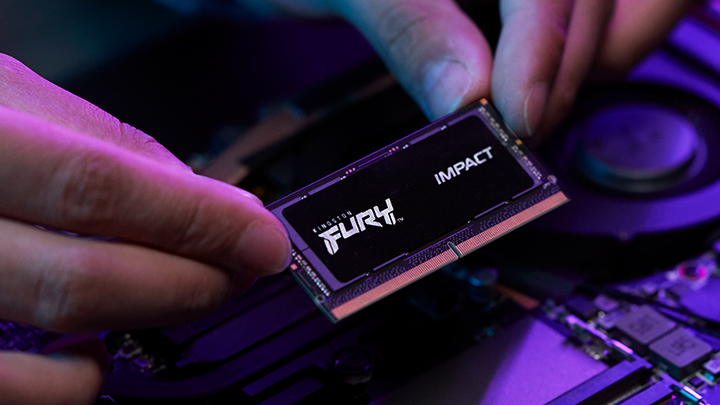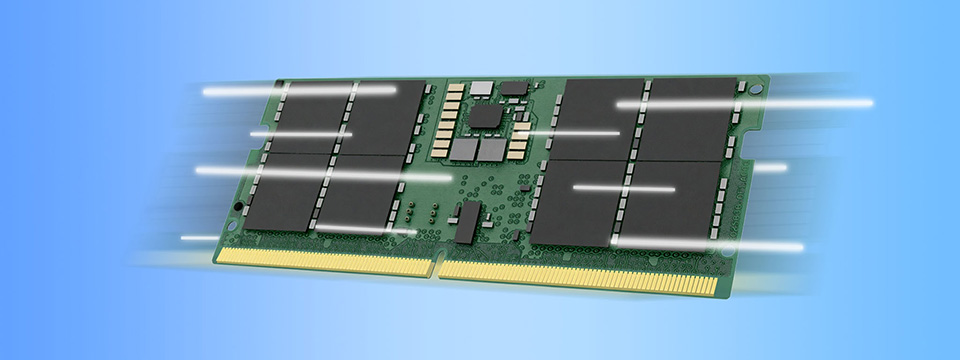
Less power consumption. Less heat. Same 32GB capacity.
Why might you consider Single Rank (1R) DDR5 modules for mobile and small form factor systems?
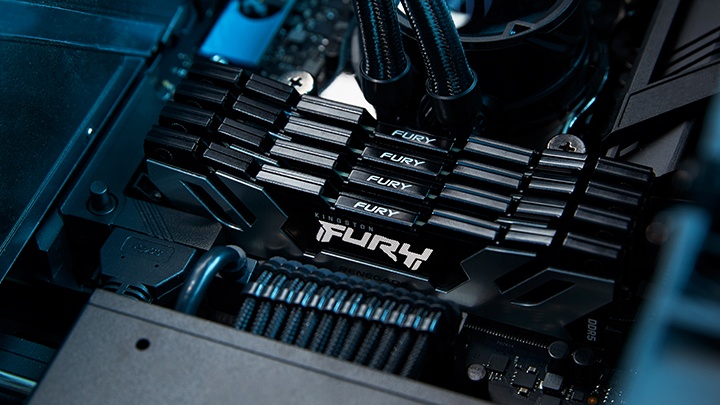
As mobile systems and small form factor (SFF) PCs continue to evolve, designers must balance performance, power consumption, and thermal considerations. In compact platforms, memory configuration can play an important role in overall system efficiency and stability.
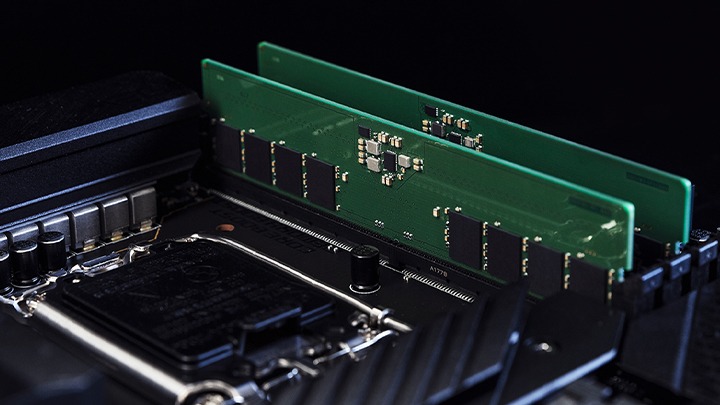
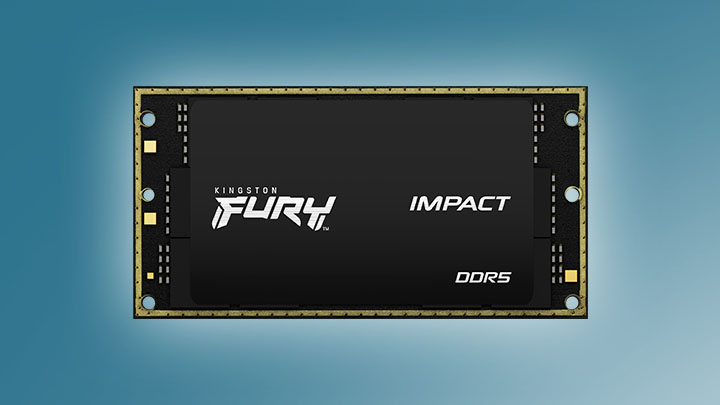
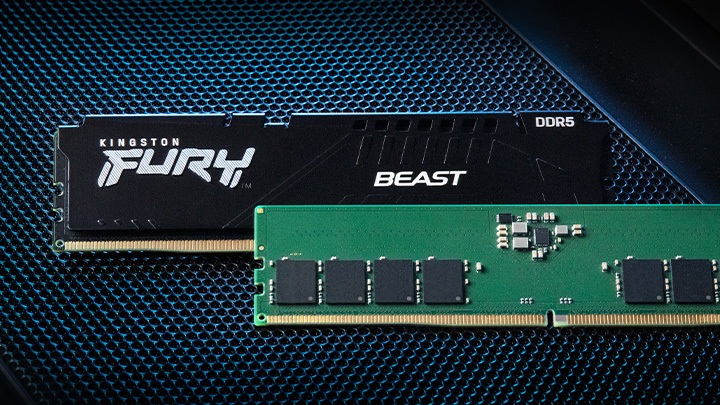
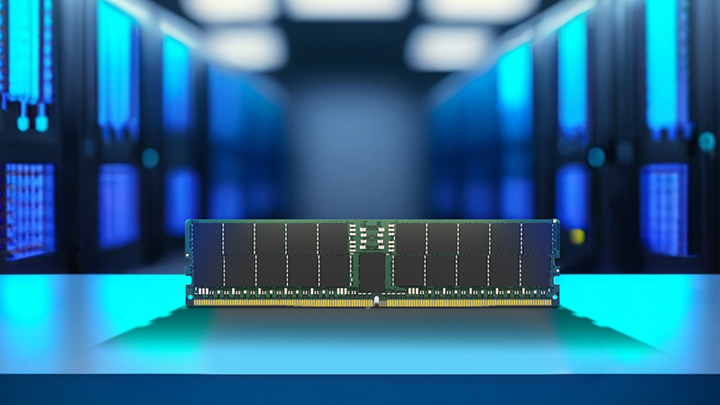
With new high density 32Gbit DRAM, the availability of 32GB DDR5 Single Rank (1R) modules enable users to configure their laptops and small form factor systems to achieve improved operational efficiency with half the number of DRAM chips compared to Dual Rank (2R).
The design consideration
Mobile systems and compact PCs often operate with:
- Limited power budgets
- Tight thermal envelopes
- Restricted airflow
- Space-constrained designs
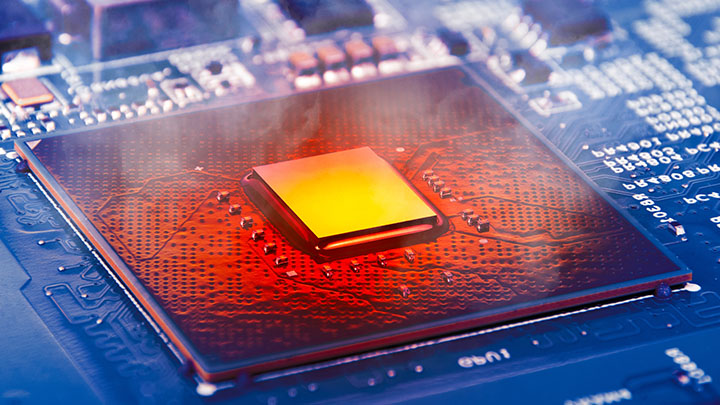
These factors make it important to consider how memory configuration may influence system behavior, particularly in thermally sensitive environments.
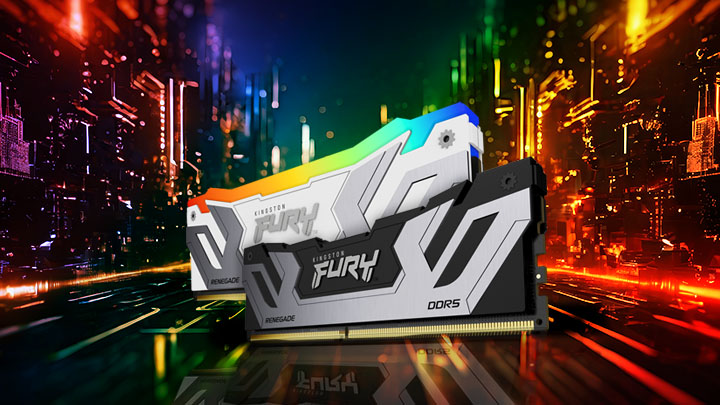
A 32GB DDR5 Single Rank option
32GB DDR5 Single Rank (1R) modules that utilize 32Gbit DRAM offer the same capacity as 32GB Dual Rank (2R) modules but with fewer DRAM components per module. Having more DRAM on a Dual Rank (2R) module generally results in better performance in comparison to Single Rank due to rank interleaving, a process that enables Dual Rank modules to rapidly queue and transfer data to the processor. However, the trade-off is that using more DRAM inevitably increases power consumption. Both Single Rank and Dual Rank modules continue to serve different platform requirements, and system compatibility should always be validated.